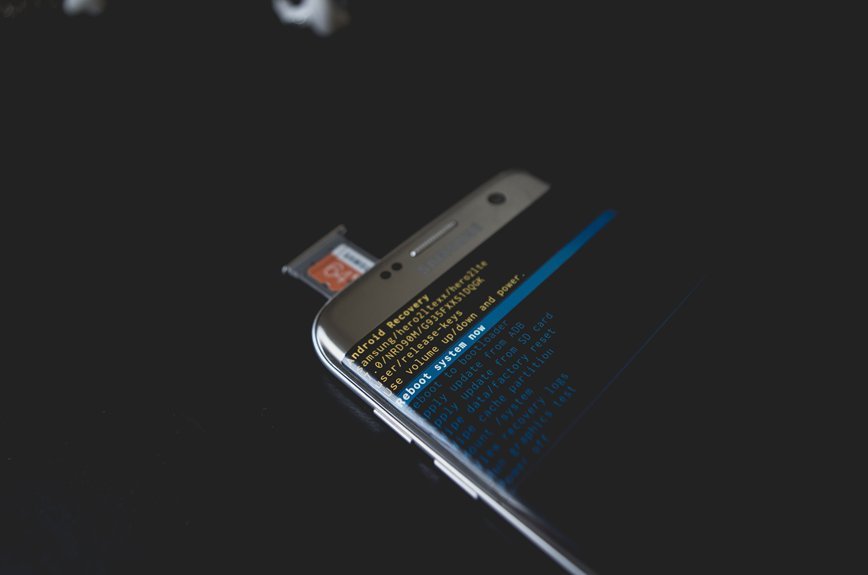
A practical guide around 651-400-2381 presents a methodical approach to common troubleshooting needs. It emphasizes confirming signals, device names, and security, then testing wired connections and latency while noting router placement and firmware. The guidance links diagnostics to targeted refinements and documentation, urging precise identification of symptoms and error codes. Quick fixes are offered for rapid containment, alongside recommendations for tools and when to seek expert help. The path forward invites careful application to see what changes reveal.
How to Diagnose a Flaky Wi‑Fi Connection
There are several observable signs that a Wi‑Fi connection is flaky, including intermittent drops, inconsistent speeds, and devices failing to connect.
The assessment proceeds through structured, diagnostic steps: verify network name and security, test with wired connections, measure latency, check router placement, review firmware, and observe channel congestion.
Findings guide targeted, practical refinements for flaky wi fi reliability and freedom.
Identify and Resolve Common Device Error Codes
Users often encounter device error codes when troubleshooting beyond connectivity issues. The guide outlines a disciplined approach: identify devices involved, note exact error codes, and consult manufacturer references. Record conditions that precede the code, reproduce when possible, and test components separately. Cross-check with known troubleshooting databases, isolate root causes, and document steps taken. Resolve methodically, confirming fixes before proceeding.
Quick Fixes Before Calling for Help: Step-by-Step Troubleshooting
Quick fixes before calling for help focus on rapid containment and accurate triage. The procedure outlines quick fixes that isolate symptoms, verify basic power and connectivity, and record device errors for reference.
Prior steps emphasize documenting behavior, validating settings, and confirming reproducibility.
Clear tool choices guide technicians to avoid guesswork, ensuring orderly, methodical progress without unnecessary exploration.
Choosing the Right Troubleshooting Tools and When to Seek Support
Choosing the right troubleshooting tools and knowing when to seek support is a structured step after initial quick fixes. The selection prioritizes reliability, compatibility, and measurable results.
Choose tools that align with the problem’s scope, enable clear documentation, and minimize risk.
When to seek support arises from unresolved root causes, recurring failures, or safety concerns requiring expert intervention.
Frequently Asked Questions
What Is the Origin of the Phone Number 651-400-2381?
The origin tracing of 651-400-2381 is unclear; it reflects typical mobile or VoIP assignment fluctuations. Privacy considerations suggest phone number privacy remains essential, and unrelated to troubleshooting steps, ensuring cautious sharing and responsible use.
Can This Guide Help With Non-Technical Device Issues?
Non technical issues fall within scope; the guide addresses non technical device troubleshooting by outlining calm, methodical steps. A statistic shows 72% resolve problems using basic checks first, emphasizing concise, precise actions for users seeking freedom from fragility.
How Often Should I Update My Troubleshooting Steps?
Update cadence should be quarterly, with version control logging changes. This method ensures device compatibility and traceable edits, while preserving data sharing integrity for users seeking freedom to adapt procedures independently. Continuous evaluation minimizes drift and risk.
Are There Privacy Concerns When Sharing Device Data?
Privacy practices matter; there are privacy concerns when sharing device data. The approach emphasizes data minimization and clear controls, addressing sharing device data concerns even in non technical use cases, while preserving user freedom and informed choice.
Which Platforms Are Incompatible With These Methods?
Incompatible platforms exist for these methods due to method limitations, which constrain cross-platform applicability. The evaluation shows certain operating environments cannot support essential steps, requiring alternative approaches. A disciplined, freedom-seeking audience acknowledges boundaries while pursuing compatible solutions.
Conclusion
In a distant harbor, a lighthouse keeper tends a flickering beacon. Each ripple of signal mirrors a wave of device troubles. The keeper inventories the flame—names, security, and paths—then tests the harbor’s cables and the wind’s latency. With careful notes, he refines routes, separates sparks from shadows, and maps outcomes like constellations. When storms persist, he calls for seasoned help, armed with data. The beacon stabilizes: small, methodical steps guiding travelers home.