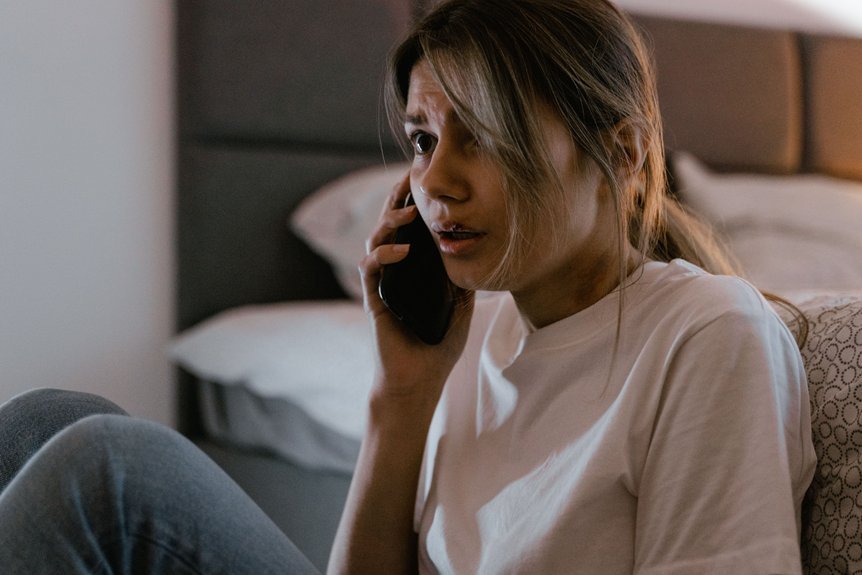
Users should approach the number 215-356-6416 with caution, verifying its source and history before any other contact method. They should assess consistency between stated goals and authority, watch for unusual persistence, and check outreach records against public data. Privacy and consent must guide actions, with minimal data sharing and independent confirmation. Practical safeguards should translate into clear steps, but the context remains unsettled, leaving an explicit need to corroborate details before proceeding.
What the 215-356-6416 Number Might Be Signaling
The sequence 215-356-6416 may signal that a contact attempt is imminent, or recently attempted, and its appearance could reflect patterns in caller behavior rather than a random coincidence.
Observers should verify legitimacy and assess intent, noting that repeated contact patterns can indicate probing or persistence.
Documentation and corroboration help determine risk without assuming malice or intent prematurely.
How to Verify Source Legitimacy and Intent
To determine whether a source is legitimate and its intent clear, observers should apply structured verification steps, corroborating contact details, outreach history, and publicly available records.
Verification involves verify legitimacy through cross-checks, assess intent via stated goals, and confirm consistency with claimed authority.
Practitioners should ensure privacy, respect boundaries, and confirm consent before sharing or acting on information.
Safety, Privacy, and Consent Checkpoints
Are users adequately protected by established safeguards when handling sensitive contact data?
In this section, a cautious, evidence-based stance notes that safety considerations and privacy safeguards must be actively assessed.
Independent verification, transparent consent, and minimized data collection reduce risk.
Clear governance, audit trails, and user rights support autonomy while preserving security, informing prudent decisions without restricting freedom.
Questions to Clarify Your Next Steps and Alternatives
Users should translate safeguards from the prior discussion into practical next steps and alternatives, ensuring that any chosen path aligns with verified privacy controls and consent agreements.
The section presents questions to clarify goals, outlines alternatives to consider, and emphasizes verify source legitimacy, safety and consent.
A cautious, evidence-based framing supports informed decisions while preserving autonomy and freedom.
Frequently Asked Questions
Can I Call Back to Confirm the Caller’s Identity Safely?
Yes, one can call back to verify caller identity, but cautiously. The process should verify caller identity, document consent, and avoid sharing sensitive details. Evidence-based practice recommends using official channels and records when feasible, preserving user autonomy and safety.
What Records Should I Keep After Contacting This Number?
“Honesty is the best policy.” The records kept should include call logs, dates, times, and purposes; consent documentation must show explicit permission to contact, plus any disclosures. The approach remains cautious, evidence-based, and privacy-respecting for freedom-seeking audiences.
How Should I Document Consent for Shared Information?
Consent documentation should be precise, dated, and tied to specific shared information. It records who shared what, when, and with whom. It preserves revocation options, evidences authorization, and remains aligned with privacy principles and rational user autonomy.
Are There Regional Restrictions for Contacting This Number?
Regional restrictions may apply; calling safety should guide behavior. The answer notes privacy policy considerations, two factor authentication, and how regional rules influence calling practices. Two word discussion ideas about Subtopic not relevant to the Other H2s listed above: curious constraints.
What Red Flags Indicate a Potential Scam From This Number?
What scams can be identified? Red flags include promises of urgent benefits, requests for personal data, or payment by wire. Caller safety suggests verifying via independent sources; use verification steps such as cross-checking numbers and consulting official channels before engagement.
Conclusion
Conclusion (75 words, third-person, cautious and evidence-based):
Chasing a response from 215-356-6416 without verification risks misinformation, spoofing, or privacy breaches. The prudent approach centers on source legitimacy, traceable outreach, and explicit consent before sharing data. For instance, a hypothetical case where a consumer accepted an unsolicited call led to a phishing compromise, underscoring the need for independent verification and documented consent. When in doubt, pause, cross-check public records, and consider alternative, clearly authenticated contact methods before proceeding.