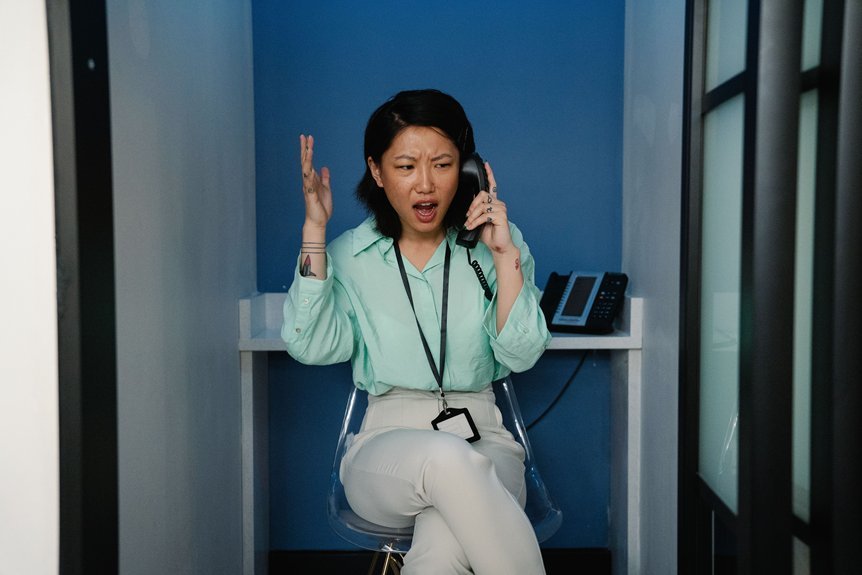
Smart solutions around 9728827411 offer a calm, methodical approach when unexpected issues arise. They emphasize documenting symptoms, timing, and scope, then reproducing the problem in a controlled way. The method compares likely causes with cost and impact in mind before contacting professionals. Clear quotes, verified credentials, and concise issue descriptions are encouraged. Preventive checks and proactive maintenance follow, but the path ahead remains focused on evidence and clarity, inviting the reader to consider the next practical steps.
What to Do First When Unexpected Issues Hit
When unexpected issues arise, the immediate step is to assess the situation calmly and identify the problem’s scope. A clear diagnostic mindset guides the process, prioritizing facts over assumptions. Determine issue frequency, note when failures occur, and map contributing factors.
Structure observations succinctly, avoiding speculation. This disciplined approach supports deliberate decisions, enabling efficient containment and informed, freedom-respecting resolutions.
Quick Troubleshooting Steps You Can Try Now
To begin quick troubleshooting, the article outlines immediate, practical steps: verify basic conditions, confirm power and connectivity, and reproduce the issue in a controlled manner. Once observed, document symptoms concisely to support issue escalation, compare potential causes, and assess impact. The process emphasizes cost comparison, prioritizing efficient, independent checks before seeking external assistance.
How to Contact the Right Pros for Your Issue
After identifying the symptoms and potential causes in the prior quick-troubleshooting steps, the next step is to locate the appropriate professionals.
The process favors research, referrals, and transparent quotes. Verify credentials and ask for written estimates. Contact options include phone, email, or messaging, with concise descriptions of the issue.
Two word ideas, unrelated topics. Professionals should provide deadlines and clear scope.
Preventive Tools and Habits to Avoid Recurrence
Preventive tools and habits are central to reducing the likelihood of recurring issues. The approach emphasizes systematic checks, documented procedures, and timely interventions. It promotes novice guidance to empower users without dependency, while maintaining autonomy. Proactive maintenance schedules, root-cause analysis, and standardized responses minimize downtime. Clear benchmarks enable accountability, enabling ongoing improvement and freedom from repetitive disruptions.
Frequently Asked Questions
How Do I Know if I Need a Professional Diagnosis?
A professional diagnosis is warranted when diagnostic indicators persist, worsen, or impact safety. If anomalies remain after preventive maintenance, or diagnostic tools are inconclusive, seek expert evaluation. It ensures accurate findings and appropriate, timely remedies.
What Are Common Hidden Costs After a Repair?
Common Hidden Repair Costs emerge post-service, despite Professional Diagnosis. Certifications influence legitimacy; Service Duration affects timelines. Recurrence After Repair remains possible, requiring vigilance. Consumers seek transparency, budgeting for potential fees, and clear terms to preserve freedom and confidence.
Which Certifications Should I Look for in a Pro?
Satirical note aside, the answer is: Certifications to look for include state licenses, HVAC/plumbing/mechanical trade credentials, and manufacturer-specific certs; Pro reliability hinges on verifiable track records, up-to-date continuing education, and clear written warranties.
How Long Does Typical Service Take From Start to Finish?
The typical service spans a few hours to a full day, depending on scope and parts. Timelines are communicated upfront; efficiency improves with clear prerequisites. two word discussion ideas: planning, execution. Without constraints, service flow stays transparent and flexible.
What to Do if the Issue Reoccurs After Repair?
Reassess the fault with calm, like a lighthouse re-aiming its beam. When reoccurrence occurs after repair, follow recovery steps, then implement prevention strategies to reduce future outages, ensuring transparent documentation and independent verification for sustained freedom from recurrence.
Conclusion
In the wake of trouble, a calm, methodical cadence takes over. The symptoms are logged, the timing pinned, and a controlled test begins, narrowing the field of suspects. As potential causes shrink, so does uncertainty—yet the clock ticks, and choices must be weighed against cost and impact. When the verdict finally lands, it is precise, with transparent quotes and a clear path forward. Yet somewhere in the details, a new clue hints at what comes next. The suspense lingers.